Last updated: November 29, 2026
Dealing with acne breakouts on the back can be distressing, and the aftermath can sometimes be just as frustrating. Post-acne scarring and hyperpigmentation are common concerns for people who have struggled with back acne. Fortunately, there are several techniques that may help fade scars and even out the skin tone. This article looks at exfoliation, chemical peels, and scar-fading creams, along with the precautions that matter for each.
Understanding Back Acne Scars and Hyperpigmentation
Back acne, or “bacne,” can leave behind scars and patches of hyperpigmentation once the acne lesions heal. These marks can look different from person to person. Some are raised, some are indented, and others are simply discolored. Hyperpigmentation occurs when the skin produces excess melanin in response to inflammation, resulting in dark spots or patches. Both acne scars and hyperpigmentation can affect one’s self-esteem and confidence.
It helps to tell these two concerns apart, because they respond differently to treatment. Dark spots are flat, colored marks that often lighten over time. Indented or raised scars involve changes in the skin’s structure and are generally more difficult to improve.
Exfoliation for Back Acne Scars
Exfoliation is an essential step in many skincare routines aimed at fading back acne scars. By removing dead skin cells and encouraging cell turnover, exfoliation can help promote the growth of new skin cells. There are two primary methods: physical exfoliation and chemical exfoliation.
1. Physical Exfoliation
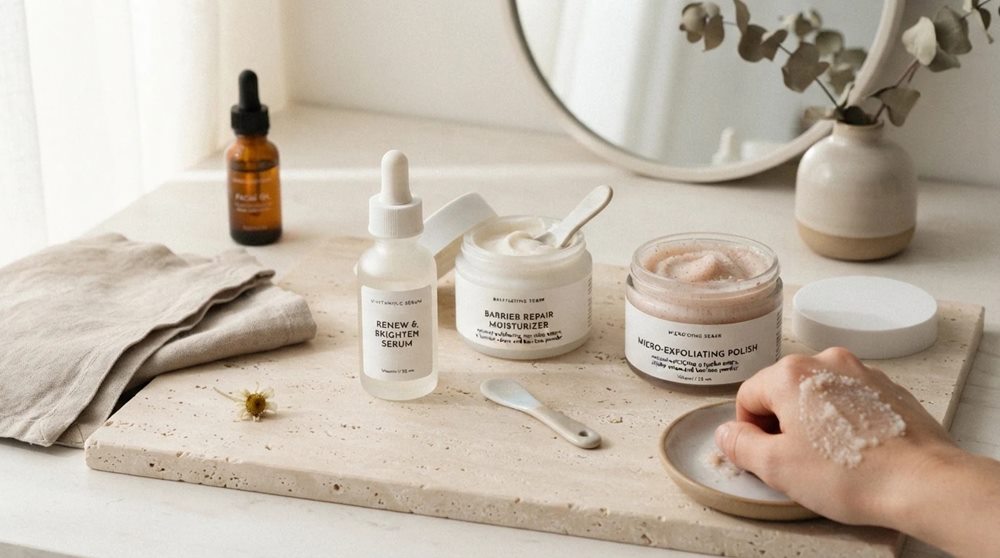
Physical exfoliation involves using gentle scrubs or brushes to manually remove dead skin cells. When exfoliating the back, it is crucial to be gentle to avoid further irritation. Look for exfoliating products with fine particles, or use a soft brush to gently scrub the affected area. Regular exfoliation, done once or twice a week, can help improve the appearance of scars over time. Avoid harsh scrubs on active, inflamed breakouts, since they can worsen irritation.
2. Chemical Exfoliation
Chemical exfoliation uses alpha hydroxy acids (AHAs) or beta hydroxy acids (BHAs) to dissolve dead skin cells and promote skin renewal. AHAs such as glycolic acid and lactic acid are suitable for addressing back acne scars and hyperpigmentation. BHAs such as salicylic acid can penetrate into the pores, unclog them, and reduce the appearance of scars. Start with a lower concentration of chemical exfoliants and gradually increase over time, following product instructions and consulting a dermatologist if needed.
Chemical exfoliants can increase sun sensitivity, so daily sunscreen is generally recommended while using them. Introduce one new product at a time so you can notice any stinging, redness, or peeling.
Chemical Peels for Back Acne Scars
Chemical peels offer a more intensive treatment option for back acne scars and hyperpigmentation. They involve applying a chemical solution to the skin, which exfoliates the outer layers and stimulates collagen production. While professional chemical peels are more effective, at-home options with milder formulations are also available. However, it is crucial to exercise caution and follow instructions carefully to avoid potential skin damage or adverse reactions.
Peels can cause redness, peeling, and temporary darkening of the skin, particularly in people with darker skin tones. Avoid peeling products on areas with active breakouts or broken skin, and do not combine a peel with other strong exfoliants or retinoids in the same session unless a dermatologist has advised it.
Before attempting a chemical peel, consult a dermatologist. They can assess your specific needs and recommend the most suitable peel for your skin type and condition.
Scar-Fading Creams for Back Acne Scars
Scar-fading creams can be a useful addition to a skincare routine for back acne scars and hyperpigmentation. These creams typically contain ingredients such as retinol, vitamin C, niacinamide, and kojic acid, which have been shown to reduce the appearance of scars and even out skin tone.
Retinol, a derivative of vitamin A, promotes cell turnover and collagen synthesis, helping to improve the texture and tone of the skin. Vitamin C is an antioxidant that can brighten the skin and fade hyperpigmentation. Niacinamide helps to control sebum production and reduce redness, while kojic acid inhibits melanin production.
Retinol is a vitamin A derivative, and pregnancy-related use of retinoids is generally discouraged. Anyone who is pregnant, planning a pregnancy, or breastfeeding should check with a doctor before using retinol. Results from these creams usually take several weeks or longer to appear.
Why Sun Protection Matters
Sun exposure can darken existing dark spots and make them last longer. For this reason, daily broad-spectrum sunscreen is generally recommended during any scar treatment. Covering the back with clothing when outdoors can also help, and sunscreen should be applied to the back before it is exposed to sunlight.
Habits That Can Prevent New Marks
Preventing new breakouts is an important part of fading marks. Avoid picking or squeezing lesions, since this can increase inflammation and the risk of scarring. Keep the back clean after sweating, and change damp workout clothing promptly. For more on managing breakouts, see our guide to back acne treatment and when to see a dermatologist.
When to See a Dermatologist
Over-the-counter care may be enough for mild dark spots, but deep, indented, or raised scars often need professional assessment. Dermatologists can discuss prescription topicals, chemical peels, and other procedures that may be suitable, depending on your skin type and the type of scarring.
Frequently Asked Questions
How long does it take for back acne scars to fade?
Fading takes time and varies by person and by treatment. Dark spots from inflammation often fade more quickly than deeper indented or raised scars, which may be more persistent. A dermatologist can give a more specific expectation.
Can I pop or squeeze back acne to prevent scars?
No. Squeezing or picking lesions can increase inflammation and the risk of scarring, so it is best avoided.
Do I need sunscreen when treating dark spots?
Yes, daily sun protection is generally recommended, because sun exposure can darken existing dark spots and make them last longer.
Final Thoughts
Back acne scars and dark spots can be discouraging, but several approaches may help. Gentle exfoliation, chemical peels for those who are suited to them, and scar-fading creams each have a role. Results take time, and consistent sun protection and gentle habits support the process. If scars are deep, painful, or not improving, a dermatologist can help you choose the most appropriate next step.
Affiliate disclosure: Some links on this page may be affiliate links. If you buy through them, we may earn a commission at no extra cost to you.
Medical disclaimer: The information in this article is for general education only and is not medical advice. It does not replace consultation with a qualified healthcare professional. Always speak with your doctor or dermatologist before starting, stopping, or changing any treatment, especially if you are pregnant or breastfeeding.
Sources
- American Academy of Dermatology Association, acne and scarring information: https://www.aad.org
- NHS, Acne: https://www.nhs.uk/conditions/acne/
- Mayo Clinic, Acne: https://www.mayoclinic.org/diseases-conditions/acne/symptoms-causes/syc-20368047
- Current product labels and ingredient lists for any scar-fading creams mentioned

Author: Kyren Abbot
Passionate about demystifying women's health, Kyren Abbot is a health contributor focused on holistic wellness. Through her writing, she aims to simplify complex health topics and empower women to thrive in every stage of life