
Natural Allergy Relief for Children: 5 Effective Ways to Reduce Allergy Symptoms
When spring arrives, many children begin to experience uncomfortable allergy symptoms such as sneezing, itchy eyes, runny nose, and skin irritation. Seasonal allergies are very common among young children because their immune systems are still developing.
Many parents look for safe and practical solutions to reduce allergy symptoms without relying too heavily on medication. Fortunately, there are several natural allergy relief strategies that can help protect children and reduce exposure to common allergy triggers.
Below are five effective ways parents can support their children during allergy season and improve their overall health naturally.
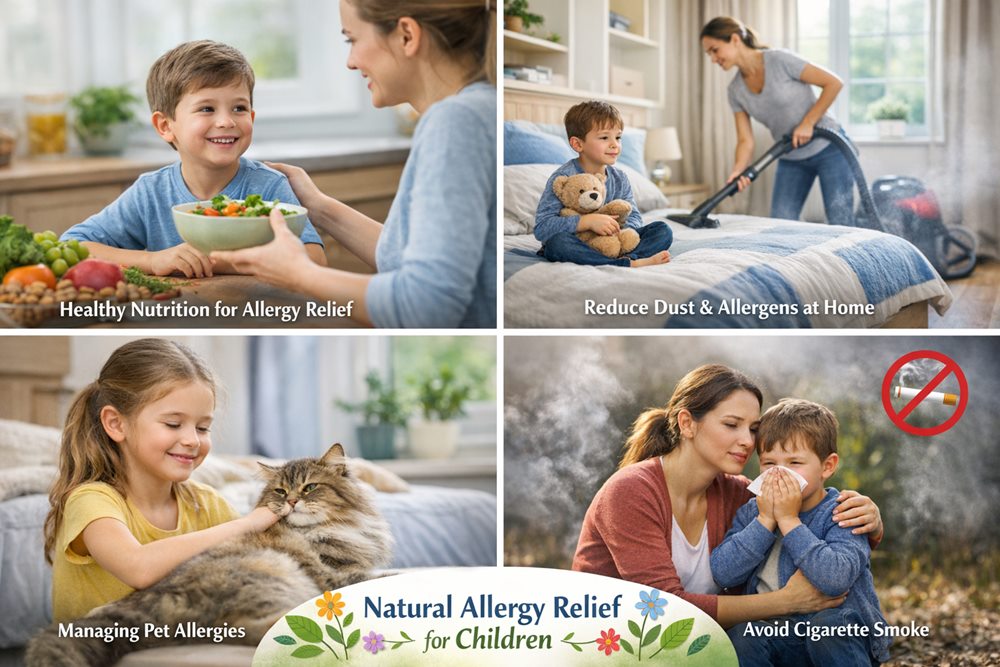
1. Support Natural Allergy Relief Through Proper Nutrition
Nutrition plays an important role in strengthening the immune system and reducing allergic reactions. If allergies run in your family, it is important to introduce foods to infants and young children carefully.
Young infants can usually tolerate small to moderate amounts of milk and dairy products. However, excessive intake may trigger early allergy symptoms in some children.
After the age of one, parents should monitor foods that may cause allergic reactions such as:
- Nuts
- Eggs
- Wheat products
- Chocolate
- Excess dairy products
These foods are not always harmful, but overconsumption may increase the risk of allergy symptoms.
After the age of three, children can gradually try small amounts of foods like nuts, chocolate, or seafood. By this age, many children develop better tolerance, which may help reduce the likelihood of lifelong food allergies.
A balanced diet rich in vegetables, fruits, and natural nutrients also supports natural allergy relief by strengthening the immune system.
2. Reduce Dust to Prevent Allergy Triggers
Dust is one of the most common causes of allergies in children. Dust mites, tiny organisms that live in bedding, carpets, and upholstery, can easily trigger allergic reactions.
Parents should keep the home environment as clean as possible. Important steps include:
- Vacuum carpets regularly
- Clean floors and furniture frequently
- Wash bedding with hot water
- Remove unnecessary fabric decorations that collect dust
If time is limited, focus especially on cleaning the child’s bedroom. A clean sleeping environment is essential for natural allergy relief and better sleep quality.
3. Be Careful with Pets in the Home
Pets can be wonderful companions, but animal fur, feathers, and dander are common allergy triggers for children.
If a child shows signs of allergies such as sneezing, itchy skin, or watery eyes around pets, it may indicate sensitivity to animal allergens.
In these cases, limiting pet exposure or keeping pets out of the child’s bedroom can help reduce symptoms and provide better natural allergy relief.
4. Choose Hypoallergenic Pillows and Bedding
Many parents overlook bedding as a potential source of allergies. Foam rubber pillows can retain moisture, which encourages bacteria, mold, and dust mites to grow.
Instead, choose pillows made from hypoallergenic synthetic materials designed to resist allergens.
Additional tips include:
- Wash pillowcases weekly
- Use allergy-proof mattress covers
- Keep bedding dry and well ventilated
These simple adjustments can significantly improve a child’s sleeping environment and support natural allergy relief.
5. Avoid Cigarette Smoke Exposure
Cigarette smoke is a powerful irritant that can worsen allergy symptoms and respiratory problems in children.
Secondhand smoke can cause:
- Increased asthma risk
- Frequent coughing or wheezing
- More severe allergy symptoms
Children are especially sensitive to smoke exposure because their lungs are still developing. For pregnant women, smoking also increases the risk of health problems for the unborn baby.
Maintaining a smoke-free environment is one of the most effective steps for protecting children’s respiratory health and supporting long-term natural allergy relief.
Conclusion
Allergies in children can be challenging, but many symptoms can be managed with simple lifestyle adjustments. Proper nutrition, a clean home environment, allergen-free bedding, and avoiding smoke exposure are all essential steps.
By following these practical strategies, parents can help their children experience safer, healthier, and more effective natural allergy relief throughout allergy season.

Author: Kyren Abbot
Passionate about demystifying women's health, Kyren Abbot is a health contributor focused on holistic wellness. Through her writing, she aims to simplify complex health topics and empower women to thrive in every stage of life